They’re one of the peaks of technological development amongst manual mobility products. So, today, we’re taking a brief look at the history of active wheelchairs. How did they develop into the modern marvels of engineering beloved by millions?
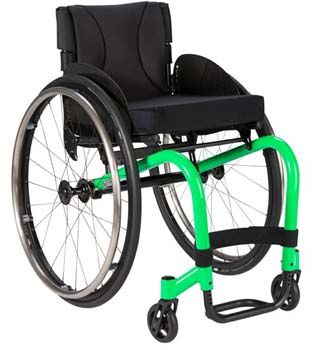 Lightweight wheelchair frames are at the core of making active wheelchairs a reality. The pioneer of active wheelchairs was Rainer Küschall. The active wheelchair line which bears his name to this day – now made available in the UK under the Invacare banner – represent the legacy of a commercial first. To this day, the Küschall K-Series (as per the example shown at left) draws heavily on this legacy. The key innovation which made these chairs so revolutionary was the minimalist monotube frame.
The Magic of Monotube Frames
What is a monotube frame, and what makes them so special? Well, as the name suggests, they use a single main tube to provide most of the superstructure in an active wheelchair. This keeps weight down, whilst enhancing mobility. They are specifically characteristic of rigid frame active wheelchairs, as opposed to folding-frame models. Even with decades of technological and engineering advances, rigid frame active wheelchairs continue to boast the very lightest product options.
Material Advancement
Around 30 years ago, as active wheelchair technology and specifications began to improve, new manufacturers came to the table. New strong and lightweight materials began to be considered for use in these chairs. TiLite, now under the Permobil umbrella, was one such manufacturer. In their own words, after decades of making custom bike frames and golf shafts from titanium, they asked themselves a new question.
‘What if we could apply our knowledge of materials science and customization to wheelchairs? Would a frame built for one specific person perform better? Would it improve their quality of life?’
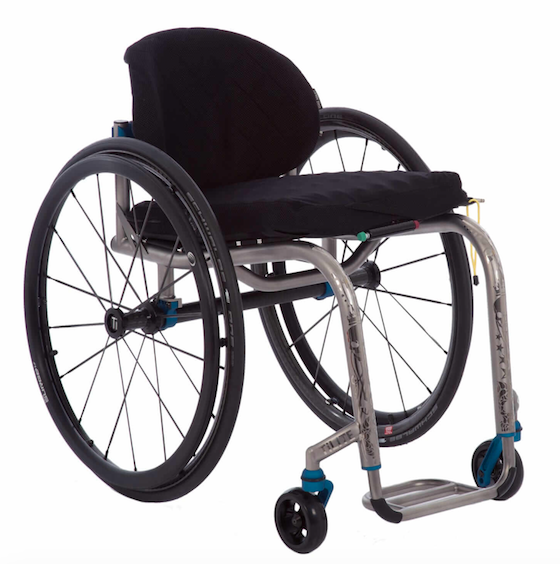
TiLite’s approach to this self-imposed challenge was two-fold. First came the development of manual wheelchairs with aluminium or titanium frames. An example of the latter is the titanium-framed TiLite ZR, pictured below:
Change Continues
As the above quote suggests, the extensive customisation of wheelchairs to fit end users continues apace within the active wheelchair market. This is one reason why Lifestyle & Mobility are so proud of the expertise and professionalism of our prescriptive product assessors. Indeed, if you’re interested in upgrading from an existing manual wheelchair product, or new to the world of active wheelchairs altogether, they’ll be happy to speak with you.