Since 1992, the UN has spearheaded the annual recognition of persons with disabilities via this International Day. In 2025, the focal theme is:
‘Fostering disability inclusive societies for advancing social progress’
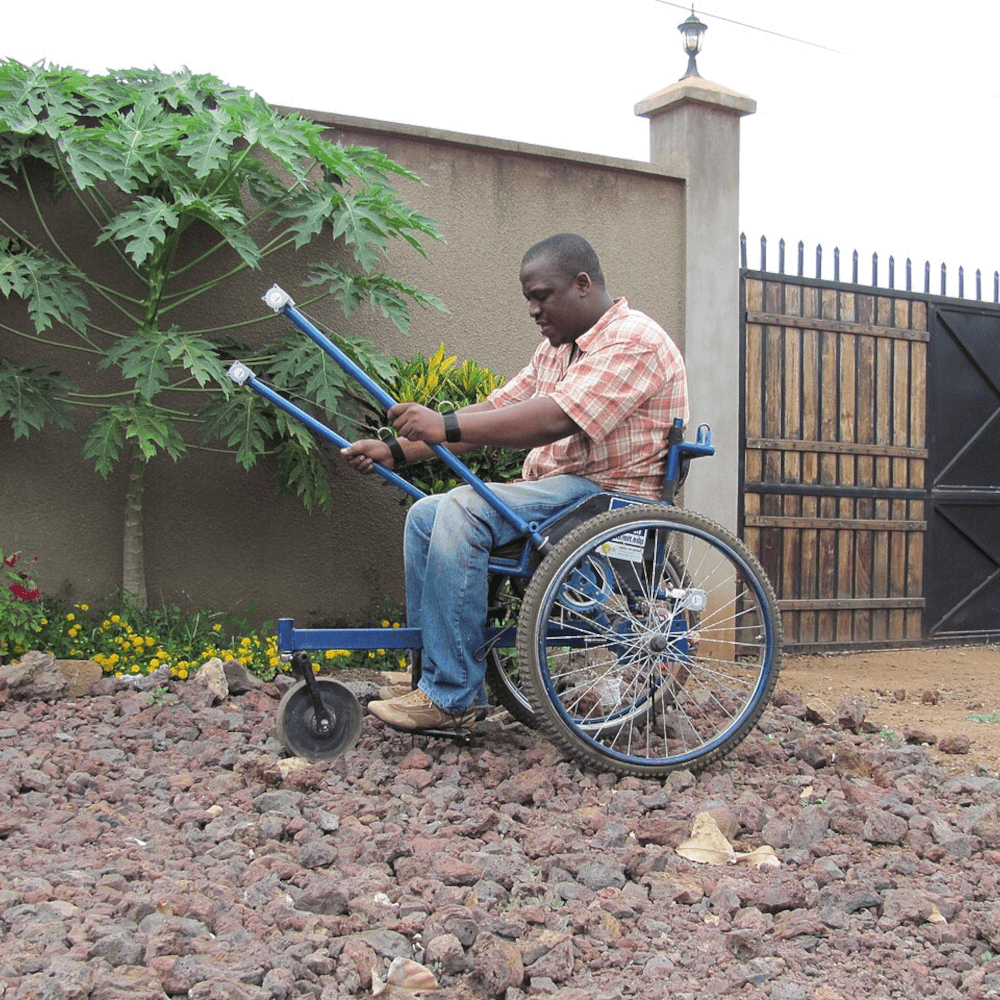 The need for better support at a societal level for disabled people is clear. The below facts make this need particularly stark:
- An estimated 1.3 billion people experience significant disability. This represents 16% of the world’s population.
- Some disabled people die up to 20 years earlier than those without disabilities.
- Disabled people have twice the risk of developing conditions such as depression, asthma, diabetes, stroke, obesity or poor oral health.
- Health inequities arise from unfair conditions faced by disabled people, including stigma, discrimination, poverty, exclusion from education and employment, and barriers faced in the health system itself.
Societal Changes Needed by Persons with Disabilities
It should be obvious, then, that societies across the world need to change – quickly and substantially – to give disabled people a fair shot.
Across all regions, persons with disabilities and their households face challenges and barriers in the attainment of social development objectives. What would ‘fostering disability inclusive societies for advancing social progress’ look like in practice?
Well, some of the societal problems faced by disabled people are clear. Across the world, they are more likely to live in poverty, whilst being denied dignity, autonomy and agency. Disabled people also experience discrimination in employment, receiving lower wages and being overrepresented in the informal sector.
Lastly, and particularly in developing countries, social protection systems are uneven in coverage and inadequate when considering extra disability-related costs, frequently excluding persons with disabilities in the informal sector.
The UN’s stance is this: the three core themes of social development, i.e. poverty eradication; promotion of full and productive employment and decent work for all; and social integration, are interrelated, mutually reinforcing and require an enabling environment so as to be achieved simultaneously. The inclusion of persons with disabilities as both agents and beneficiaries of social development is indispensable. Disability inclusion in all aspects of social, economic, cultural and political life is therefore an imperative.